
This guide contains affiliate links to BEWIT.love. If you buy through them, we may earn a commission at no extra cost to you. This never affects what we write.
In this guide
Traditional Chinese Medicine (TCM) is one of the world's oldest continuous systems of thought about the human body, nature, and balance. BEWIT has drawn on this rich cultural heritage to create a small family of aromatic blends inspired by TCM ideas. This introduction explains what that heritage is, how aromatics fit into it, and how a curious newcomer might begin exploring the BEWIT TCM range with respect and an open mind.
What Traditional Chinese Medicine Is (Very Briefly)
TCM is a system of philosophy and practice that developed in China over thousands of years. Rather than viewing the body as a collection of separate parts, it describes a picture of interconnected patterns, cycles, and relationships. Concepts such as qi (often translated as vital energy), yin and yang (complementary opposites), the Five Elements, and the meridians (channels described in the tradition) are all ways of talking about balance and flow within nature and the human being.
It is important to be honest about what this article is and is not. We describe TCM here as a cultural and philosophical tradition, not as a set of medical instructions. In the pages that follow you will read phrases such as "in the TCM tradition, this is associated with…" precisely because these are traditional associations passed down through a living culture, not clinical statements. For anything relating to your health, a qualified TCM practitioner or your doctor is the right person to speak with.
How Aromatics Fit Into the Tradition
Fragrant plants have accompanied Chinese culture for a very long time. Incense, aromatic herbs, and scented preparations have featured in ceremony, hospitality, scholarship, and daily ritual for centuries. Scent was understood as something that could shape atmosphere and mood, mark the passing of seasons, and create a sense of occasion.
Modern essential oils are not the same thing as the herbal materials used in classical Chinese practice, and it would be inaccurate to suggest otherwise. What contemporary aromatic blends can do is draw inspiration from the imagery and philosophy of the tradition — the elements, the seasons, the sense of balance — and translate that inspiration into a scent experience for the diffuser or the ritual table. If you are new to aromatics in general, our complete guide to essential oils is a helpful starting point before you explore themed blends.
What the BEWIT TCM Range Is
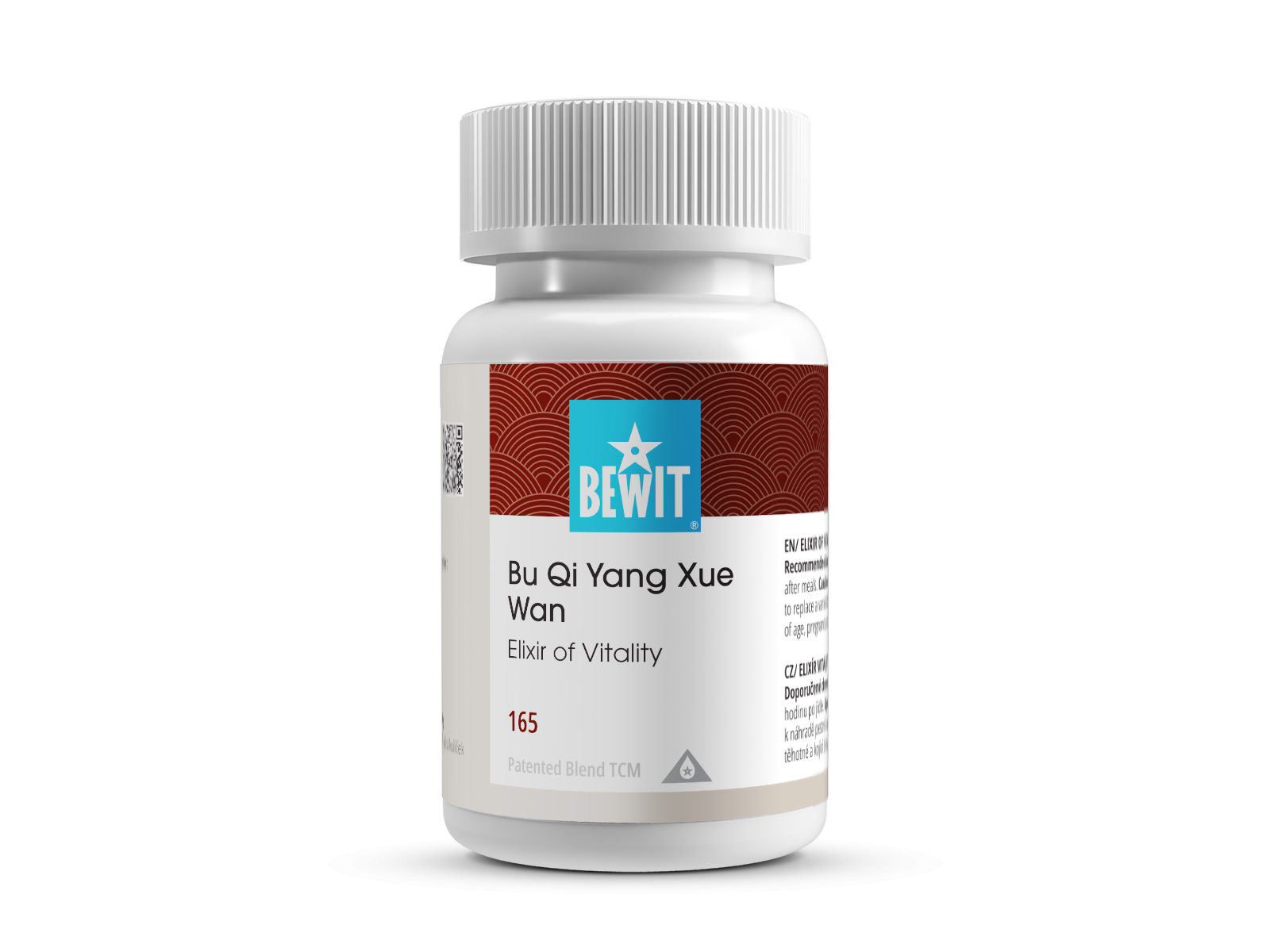
BEWIT's TCM collection is a group of essential-oil blends created as a respectful homage to the philosophy of Traditional Chinese Medicine. The blends are sometimes gathered under BEWIT's "Wany" line, and each is composed around a theme or mood drawn from TCM imagery rather than around a health outcome.
- Inspired, not clinical: the blends take their names and ideas from TCM concepts; they are aromatic compositions, not remedies.
- Themed by feeling and element: each blend evokes a particular atmosphere — grounding, uplifting, cooling, warming — echoing the qualities the tradition associates with its elements and seasons.
- Made with BEWIT quality: like the rest of the BEWIT catalogue, the oils follow the company's CTEO® testing protocols, with GC/MS analysis available per batch.
You can see the current selection in the TCM-inspired range. A closely related everyday favourite is the BEWIT Balance blend, which many people enjoy for its harmonious, centring character.

The Five Elements, Explained Simply
One of the most recognisable ideas in TCM is the Five Elements (sometimes called the Five Phases): Wood, Fire, Earth, Metal, and Water. In the tradition these are not literal substances but a poetic model for describing how qualities relate, cycle, and transform — much as spring turns to summer and then to autumn. Each element carries a cluster of associations with a season, a mood, and a set of qualities. The table below is a simple, cultural summary offered for context and curiosity, not as guidance for any condition.
| Element | Associated qualities (traditional) | Mood / Season |
|---|---|---|
| Wood | Growth, flexibility, new beginnings, vision | Aspiration / Spring |
| Fire | Warmth, joy, connection, expression | Enthusiasm / Summer |
| Earth | Nourishment, stability, centring, care | Groundedness / Late summer |
| Metal | Clarity, structure, refinement, letting go | Reflection / Autumn |
| Water | Stillness, depth, rest, wisdom | Quiet / Winter |
Reading these associations is a lovely way to appreciate the poetry of the tradition. Many people find that a particular element simply resonates with them in a given season — and choosing a blend that echoes that mood can be part of the pleasure of aromatics.

How a Newcomer Might Explore the Range
Exploring TCM-inspired aromatics is really about creating atmosphere and marking moments, not about seeking any physical outcome. Here are a few gentle, claim-free ways to begin.
Diffusing
The simplest approach is to add a few drops to your diffuser and let the scent fill the room. You might match a blend to the time of day, the season, or simply the mood you would like to invite — reflective in autumn, warm and sociable in summer.
Building a small ritual
Many people enjoy turning aromatics into a moment of intention: lighting the diffuser at the start of a morning routine, before meditation, or as a signal that the working day has ended. The scent becomes a cue that marks the transition.
Journaling with the elements
Because each element carries a mood, some people like to pair a diffusing session with a few lines of reflection — noticing which element they feel drawn to, or simply how a scent shapes the atmosphere of a room. If your interest is in winding down, you may also enjoy our guide to essential oils for stress relief.
An Honest Note
Aromatherapy inspired by Traditional Chinese Medicine is a sensory and cultural pleasure — it is not a substitute for professional TCM care or for conventional medical advice. BEWIT's TCM-inspired blends are aromatic compositions, not treatments, and no essential oil can diagnose, treat, or balance a health condition. If you are curious about TCM as a health practice, please consult a qualified TCM practitioner; for medical concerns, speak with your doctor.
Who Might Enjoy Exploring It
The BEWIT TCM range tends to appeal to a few kinds of curious people:
- Those who already love diffusing and want a themed collection with a story behind it.
- People drawn to the imagery of seasons, elements, and cycles as a way of organising mood and atmosphere.
- Anyone building small daily rituals — meditation, journaling, a mindful pause — who wants scent as part of the experience.
- Gift-givers looking for something thoughtful and a little different for a friend interested in wellbeing culture.
If any of that sounds like you, the range is well worth a browse — approached, as always, in the spirit of respectful curiosity rather than as a health remedy.
Frequently Asked Questions
Is the BEWIT TCM range actual Chinese medicine?
No. The blends are aromatic compositions inspired by the philosophy and imagery of Traditional Chinese Medicine. They are a respectful cultural homage, not a form of clinical TCM and not a replacement for consulting a qualified practitioner.
Can these oils balance my qi or treat a health problem?
No. It would be inaccurate to make any such claim. Essential oils are a scent experience. In the TCM tradition certain qualities are associated with elements and seasons, but that is cultural symbolism, not a medical effect.
Do I need to understand TCM to enjoy the blends?
Not at all. You can simply enjoy the scents and the moods they evoke. Learning a little about the Five Elements can add depth and pleasure to the experience, but it is entirely optional.
How do I actually use them?
Most people diffuse them. Add a few drops to a diffuser to scent a room, perhaps matching the blend to a season or mood, or fold it into a small daily ritual such as meditation or journaling. Always follow the usage and dilution guidance on the product label.
Where can I see the collection?
You can browse the current selection in the BEWIT TCM-inspired range below.
Products mentioned in this guide


Discover Premium Essential Oils
Experience the difference of CTEO-certified, European-quality essential oils.
Browse Products


Be the first to comment