
This guide contains affiliate links to BEWIT.love. If you buy through them, we may earn a commission at no extra cost to you. This never affects what we write.
In this guide
Peppermint essential oil delivers one of the most instantly recognisable sensations in aromatherapy: a wave of icy freshness followed by a clean herbal sweetness. Steam-distilled from Mentha × piperita, it is a powerful, versatile oil — and one that rewards careful, well-diluted use. This guide covers the chemistry, ten practical uses with exact recipes, and the precautions every user should know.
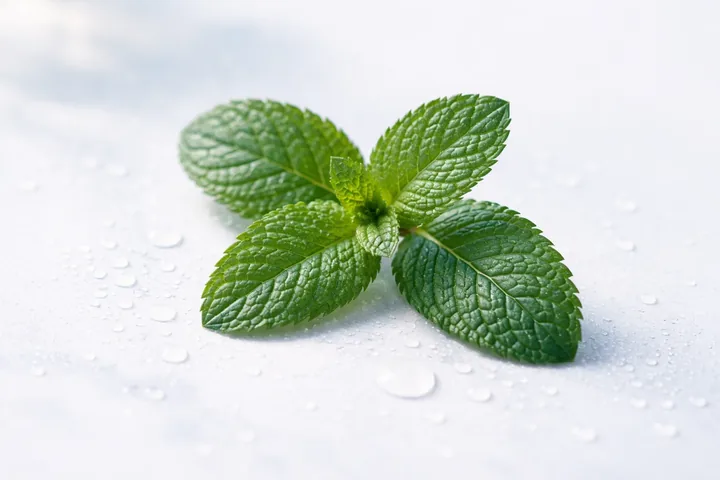
The Plant and Its Menthol Chemistry
Peppermint (Mentha × piperita) is not a wild species but a natural hybrid of watermint (Mentha aquatica) and spearmint (Mentha spicata), first formally described in England in 1696. The plant concentrates its aromatic compounds in tiny glandular hairs on the underside of its leaves, which are harvested just before flowering and steam-distilled. Roughly 250 kg of fresh leaf material yields about 1 kg of essential oil.
Two molecules define peppermint oil. Menthol (typically 35–45% of the oil) activates the TRPM8 cold receptors in your skin and mucous membranes — the same receptors triggered by low temperatures. That is why peppermint feels cold even though it does not change your skin temperature at all. Menthone (15–30%) adds the fresh, slightly bitter herbal depth. Smaller amounts of 1,8-cineole and menthyl acetate round out the profile.
Aroma Profile
Peppermint is a classic top note: it hits the nose immediately and fades within one to two hours. The scent is sharp, cool and sweetly herbal — far cleaner than the candy-cane association suggests. High-quality oil smells layered and slightly grassy underneath the menthol blast; cheap or adulterated oil smells flat, harsh and one-dimensional, like a synthetic toothpaste flavouring. BEWIT's peppermint oil is produced under the CTEO® quality programme with GC/MS testing per batch, so the menthol and menthone percentages can actually be verified.
10 Practical Ways to Use Peppermint Oil
1. Diffusion for Fresh Air
Add 3–4 drops to a diffuser and run it for 20–30 minutes. Peppermint cuts through kitchen odours and stale air faster than almost any other oil. Keep sessions short — with such a potent oil, more is not better.
2. Cool-Down Roll-On (2%)
For hot summer days: mix 4 drops of peppermint with 10 ml of fractionated coconut oil in a roller bottle (that is a 2% dilution). Roll onto the back of the neck and inner wrists. The TRPM8 effect creates a genuine cooling sensation within about a minute and lasts 20–30 minutes.
3. Post-Sport Muscle Massage Blend
In 30 ml of carrier oil (sweet almond works well), combine 8 drops peppermint, 6 drops lavender and 4 drops rosemary — roughly a 3% total dilution, suitable for short-term use on large muscle groups. Massage into calves, thighs or shoulders after training. Peppermint is traditionally used for tired muscles, and the cooling sensation makes the massage feel immediately refreshing.
4. Focus and Study Sessions
Diffuse 2 drops of peppermint with 3 drops of lemon while working. Small studies suggest peppermint aroma may support alertness and attention during monotonous tasks. For a full breakdown of concentration blends, see our guide to essential oils for focus.
5. Travel-Sickness Sniff Stick
Load a blank aromatherapy inhaler stick with 10 drops of peppermint and 5 drops of ginger on the cotton wick. When queasiness hits in the car or on a boat, take 2–3 slow breaths through the inhaler. Inhaling peppermint is traditionally used to settle an uneasy stomach — and the stick format means no oil ever touches your skin.
6. DIY Foot Soak
Dissolve 4 drops of peppermint in 1 tablespoon of unscented shower gel or a cup of Epsom salts, then stir into a basin of lukewarm (not hot) water. Soak tired feet for 15 minutes. Never drip the oil directly into water — undispersed droplets float and can sting the skin.
7. Refreshing Shower Steam
Place 2–3 drops on a washcloth on the shower floor, away from the direct water stream. The rising steam carries the aroma — an invigorating alternative to diffusing at 6 a.m. Do not add peppermint to shower gel for the whole body; menthol on large skin areas plus hot water is an intense combination.
8. Desk-Drawer Tension Roller (1%)
Mix 2 drops of peppermint in 10 ml of jojoba oil. Applied to the temples and back of the neck (kept well away from the eyes), this is a classic office companion for long screen days. Wash your hands after applying.
9. Homemade Surface Spray
Combine 200 ml water, 50 ml white vinegar and 15 drops of peppermint in a spray bottle. Shake before each use. It leaves kitchen surfaces smelling clean and sharp. Test on delicate surfaces first, and keep the bottle labelled and out of children's reach.
10. Mice-Deterrent Sachets — an Honest Myth-Check
Cotton balls soaked in peppermint oil are a beloved internet remedy against mice. The honest answer: evidence is weak. Rodents do avoid strong menthol at first, but the scent fades within 1–2 days and mice quickly habituate. Field studies show little lasting effect. By all means tuck a refreshed sachet into a cupboard — it will smell wonderful — but do not rely on it as your only line of defence against an actual infestation.
Dilution Guide for Peppermint Specifically
Peppermint is classed as a "hot" oil: menthol is a strong sensory stimulant, and what feels pleasantly cool at 1–2% becomes burning and irritating at higher concentrations. Stay at or below the values in this table, and never exceed 3% even for short-term use. For the general method behind these numbers, read our essential oil dilution guide.
| Use case | Max dilution | Drops per 10 ml carrier | Notes |
|---|---|---|---|
| Face (adults) | 0.5% | 1 drop | Avoid eye area entirely; many people skip facial use altogether |
| Daily body use | 1% | 2 drops | Temples, neck, wrists |
| Cool-down roll-on | 2% | 4 drops | Localised areas, short-term |
| Muscle massage (short-term) | 3% | 6 drops | Large muscle groups only, not daily |
| Children 6–12 | 0.5–1% | 1–2 drops | Body only — never on or near the face or chest |
| Children under 6 | Do not use | — | See warning below |
Important Precautions
Do not use peppermint oil on or near children under 6. Menthol applied near the face, nose or chest of young children can trigger reflex slowing or spasm of the airways. Keep diffusion away from infants entirely.
Avoid during breastfeeding — peppermint is traditionally associated with reduced milk supply. Use caution during pregnancy and with gallbladder conditions, and always keep the oil far from eyes and mucous membranes. When in doubt, review our safe use guidelines.
Oils That Pair Well with Peppermint
Peppermint's sharp top note needs partners that soften or ground it:
- Lavender — rounds off the sharpness; the classic tension-relief duo
- Lemon and other citrus — bright, energising morning blends
- Rosemary — herbal depth for focus and post-sport blends
- Eucalyptus — doubles down on the fresh, airy character
- Ginger — warm counterpoint, ideal in travel inhaler sticks
A reliable starting ratio is 1 part peppermint to 2–3 parts of the partner oil; peppermint dominates any blend where it is dosed equally.
Storage and Shelf Life
Peppermint oil keeps well compared with citrus oils: expect 3–4 years when stored correctly. Keep the bottle tightly closed in dark glass, below 20 °C, away from direct sunlight. Oxidised peppermint smells noticeably duller and slightly sour — if the icy brightness is gone, the oil belongs in your cleaning spray, not on your skin. Always store it where children cannot reach it; the sweet minty smell makes it more tempting than most oils.
If you are still building your collection, peppermint is one of the five oils we recommend in our overview of the best essential oils for beginners — just treat it with a little more respect than lavender.
Choosing a Quality Peppermint Oil
Check for the full botanical name (Mentha × piperita), the country of origin, a dark glass bottle and batch-specific GC/MS analysis. Expect to pay roughly €8–15 per 15 ml; genuine steam-distilled peppermint is rarely cheaper.
Frequently Asked Questions
Can I put peppermint oil directly on my skin?
No. Undiluted peppermint can cause burning, redness and sensitisation. Always dilute to 1–2% for regular use (2–4 drops per 10 ml of carrier oil) and do a patch test on the inner forearm before first use.
Is peppermint oil safe around pets?
Use caution. Cats in particular lack the liver enzymes to process essential oil compounds, and dogs' noses are far more sensitive than ours. Diffuse only in well-ventilated rooms your pet can leave freely, and never apply the oil to animals.
Why does peppermint feel cold but isn't?
Menthol binds to TRPM8, the same nerve receptor that detects cold temperatures. Your brain receives a genuine "cold" signal even though your skin temperature is unchanged — a sensory illusion, not actual cooling.
Peppermint or spearmint — what is the difference?
Spearmint (Mentha spicata) contains carvone instead of high menthol, so it is much milder and sweeter. It is often the better choice for children over 6 and for anyone who finds peppermint too intense.
How long does an opened bottle last?
Around 3–4 years if stored cool, dark and tightly closed. Note the date you opened it on the label, and retire the oil to household uses once the aroma loses its sharp, icy top note.
Never apply undiluted essential oils to skin. Dilute them in a carrier oil first — typically 1–2% for adults — and patch-test on a small area of skin. Safe Use Guide →
Products mentioned in this guide


Discover Premium Essential Oils
Experience the difference of CTEO-certified, European-quality essential oils.
Browse Products


Be the first to comment