This guide contains affiliate links to BEWIT.love. If you buy through them, we may earn a commission at no extra cost to you. This never affects what we write.
In this guide
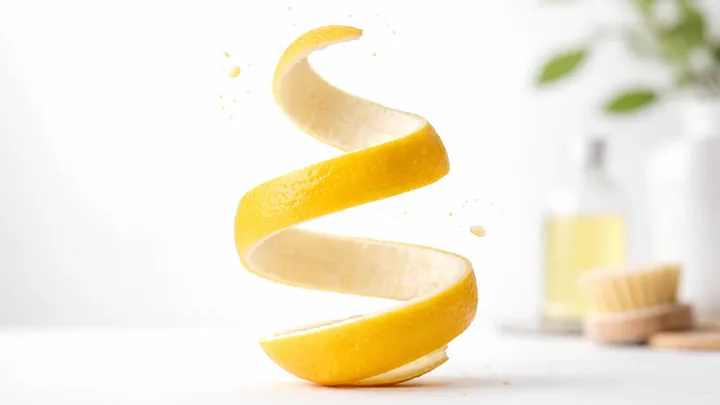
A citrus oil that smells like pure sunshine can, ironically, be the reason your skin reacts badly to actual sunshine. Certain essential oils are phototoxic: when they sit on skin that is then exposed to UV light, they can trigger burns and stubborn dark patches. The good news is that the rules are simple, the risk is entirely avoidable, and you never have to give up your favourite bright oils. Here is exactly which oils are photosensitive, how the reaction works, and how to keep using citrus safely all year round.
What Phototoxicity Actually Is
Phototoxicity (also called photosensitivity or a phototoxic reaction) happens when a substance on the skin absorbs ultraviolet light and, in doing so, damages the surrounding skin cells. It is a chemical reaction, not an allergy, which means it can affect anyone regardless of skin type — the skin does not need to be "sensitive" for it to occur.
In essential oils, the molecules responsible are a family of compounds called furocoumarins. The most notorious of these is bergapten (5-methoxypsoralen, or 5-MOP), found in especially high amounts in cold-pressed bergamot. When furocoumarins on the skin are hit by UVA light, they bind to the DNA of skin cells and generate reactive molecules. The result can range from a mild redness to a severe, blistering, sunburn-like reaction — followed by hyperpigmentation: brown or grey patches that can linger for weeks, months, or in stubborn cases much longer.
Two details matter enormously. First, furocoumarins are heavier, non-volatile molecules. They stay behind in cold-pressed (expressed) citrus oils but are largely left out during steam distillation — which is why the extraction method decides whether an oil is phototoxic. Second, phototoxicity is only a concern for oil applied to skin. Inhaling or diffusing a phototoxic oil carries no sun risk at all.

Which Essential Oils Are Phototoxic
Almost all phototoxic essential oils are cold-pressed citrus peel oils. The table below lists the main offenders alongside the maximum dermal concentration considered safe for skin that will see sunlight, based on IFRA-style guidance widely used in aromatherapy. Oils intended for wash-off or diffuser-only use are not bound by these limits.
| Essential oil | Phototoxic? | Max dermal % (sun-exposed skin) | Note |
|---|---|---|---|
| Bergamot, cold-pressed (Citrus bergamia) | Yes — strongest | ~0.4% | Highest bergapten content of any common oil. |
| Lime, expressed (Citrus aurantifolia) | Yes | ~0.7% | Expressed only; steam-distilled lime is safe. |
| Bitter orange, expressed (Citrus aurantium) | Yes | ~1.25% | Sharper and more phototoxic than sweet orange. |
| Lemon, expressed (Citrus limon) | Yes | ~2% | The everyday citrus most people overlook. |
| Grapefruit, expressed (Citrus paradisi) | Mildly | ~4% | Lowest-risk of the expressed citrus oils. |
| Sweet orange (Citrus sinensis) | No / negligible | No sun limit | Very low furocoumarins; still dilute as normal. |
| Steam-distilled or FCF citrus | No | No sun limit | Distillation and FCF processing remove furocoumarins. |
| Most non-citrus oils (lavender, tea tree, peppermint...) | No | No sun limit | Phototoxicity is overwhelmingly a citrus issue. |
A few non-citrus oils, such as expressed angelica root and certain cumin and fig-leaf oils, are also phototoxic, but they are far less common in everyday kits. If your collection is mostly the usual suspects — lavender, eucalyptus, frankincense, rosemary — citrus is the only family you need to watch.
Read the Latin Name and the Extraction Method
"Bergamot" tells you almost nothing on its own. Cold-pressed bergamot is the most phototoxic oil in common use; bergapten-free (FCF) bergamot and steam-distilled bergamot are not phototoxic at all. The label, not the fruit name, is what protects your skin.
The 12–24 Hour Rule
The core safety rule is straightforward: after applying a phototoxic oil to skin above the safe dilution, keep that skin out of direct sun and away from tanning beds for at least 12 to 24 hours. Twelve hours is the common minimum; for strongly phototoxic oils like cold-pressed bergamot, extending to a full 24 hours gives a comfortable margin, because the furocoumarins need time to be metabolised and cleared from the skin.
"Direct sun" is the key phrase. UVA passes through window glass and clouds, so a long drive or a bright overcast day still counts. Sunscreen helps but is not a reliable substitute for simply keeping the area covered or unscented before sun exposure. The safest habit of all: apply phototoxic citrus oils only to skin that clothing will cover, or use them in the evening.

How to Keep Using Citrus Oils Safely
Photosensitivity is a reason to be smart with citrus oils, never a reason to abandon them. Every one of these approaches lets you enjoy bright citrus with zero sun risk:
- Diffuse freely. Inhalation and diffusion are completely unaffected by phototoxicity. Diffuse cold-pressed bergamot or lemon in the morning and sunbathe an hour later — there is no interaction.
- Choose wash-off and rinse-off products. In soaps, shampoos, and cleansers the oil is rinsed away before it can react, so ordinary phototoxic oils are considered safe in these formats.
- Use them at night. A diluted citrus body oil applied in the evening has cleared well before the next day's sunlight.
- Apply only to covered skin. Anything under clothing — for example a diluted blend on the torso — is shielded from UV.
- Buy FCF or "bergapten-free" versions. Furocoumarin-free citrus oils have the phototoxic compounds removed and can be used on sun-exposed skin like any non-citrus oil.
- Reach for non-phototoxic alternatives. Sweet orange, steam-distilled lime, and steam-distilled lemon give you a citrus lift without the sun restriction.
When you do apply a phototoxic oil below its safe limit, accurate dilution is what keeps you within the numbers in the table. Our essential oil dilution guide shows how to translate a target percentage into drops per teaspoon of carrier oil, and the general principles of skin safety are covered in our safe use guidelines. For a deeper look at the gentlest member of the family, see our guide to sweet orange oil.
Who Is Most at Risk
Phototoxicity can affect anyone, but some situations raise the odds of a stronger reaction:
- Anyone applying undiluted or over-concentrated citrus oil to skin — the single most common cause.
- Fair skin, which reacts to UV more readily overall.
- Summer holidays, beaches, and mountains, where UV exposure is intense and skin is uncovered.
- Tanning-bed users, since beds emit concentrated UVA — the exact wavelength furocoumarins react to.
- People taking other photosensitising substances, including certain medications, which can compound the effect. When in doubt, keep citrus oils off sun-exposed skin entirely.
What a Phototoxic Reaction Looks Like — and What to Do
A phototoxic reaction usually appears within a few hours to a day after sun exposure and often mirrors exactly where the oil was applied — sometimes even leaving a drip-shaped or streaky mark. Typical signs are redness, a sunburn-like sting, swelling, and in stronger cases blistering. As it heals, the area frequently darkens into brown or grey patches (hyperpigmentation) that can take weeks to months to fade.
If you suspect a reaction, get out of the sun immediately and keep the area covered from further UV. Gently cleanse the skin to remove any remaining oil, cool it with a cold compress, and protect it while it heals — the resulting pigmentation darkens further with more sun. A blistering or widespread reaction, or one that keeps worsening, warrants medical advice rather than home care. This article is about prevention and general safety, not treatment.
The One-Sentence Version
Cold-pressed citrus oils on skin plus UV light can cause burns and dark patches — so dilute properly, keep treated skin out of direct sun for 12–24 hours, or simply diffuse instead. Diffusing is always sun-safe.
Choosing Your Citrus Oils
When you shop, the two words that matter most are the extraction method and the botanical name. A cold-pressed bergamot essential oil is wonderful for evening diffusion and covered-skin blends but needs the strictest sun caution; expressed lemon essential oil is more forgiving yet still photosensitive. BEWIT publishes the extraction method and GC/MS analysis for each batch under its CTEO® quality program, so you can see exactly what is in the bottle. Explore the full range in the essential oils catalogue.
Frequently Asked Questions
Is it safe to diffuse bergamot and then go outside?
Yes. Phototoxicity only concerns oil that is on your skin. Diffusing or inhaling any citrus oil, including cold-pressed bergamot, has no effect on how your skin responds to sunlight, so you can diffuse in the morning and enjoy the sun freely.
How long after applying lemon oil can I go in the sun?
Wait at least 12 hours after applying expressed lemon oil above its safe dilution, and ideally longer in strong summer sun. For the most phototoxic oils such as cold-pressed bergamot, allow a full 24 hours. The simplest alternative is to apply citrus oils only to skin your clothing will cover.
Does sweet orange oil cause photosensitivity?
Sweet orange (Citrus sinensis) contains only trace furocoumarins and is generally regarded as non-phototoxic, which is why it carries no sun-exposure limit. Still dilute it as you would any oil, and note that very old, oxidised citrus oil is more likely to irritate skin regardless of phototoxicity.
What does "FCF" or "bergapten-free" on a label mean?
FCF stands for furocoumarin-free. These citrus oils have had the phototoxic compounds — including bergapten — removed, so they can be used on sun-exposed skin like a non-citrus oil. They are a good choice for daytime skincare when you still want a citrus note.
Can sunscreen protect me if I have citrus oil on my skin?
Not reliably. Sunscreen reduces UV exposure but does not block it entirely, and phototoxic reactions can still occur beneath it. Treat covering the skin or waiting out the 12–24 hour window as your real protection, and think of sunscreen only as a secondary layer.
Citrus oils such as bergamot, lemon and orange can make skin sensitive to sunlight. Avoid sun exposure for 12–24 hours after applying them to skin. Safe Use Guide →
Products mentioned in this guide


Discover Premium Essential Oils
Experience the difference of CTEO-certified, European-quality essential oils.
Browse Products
Be the first to comment