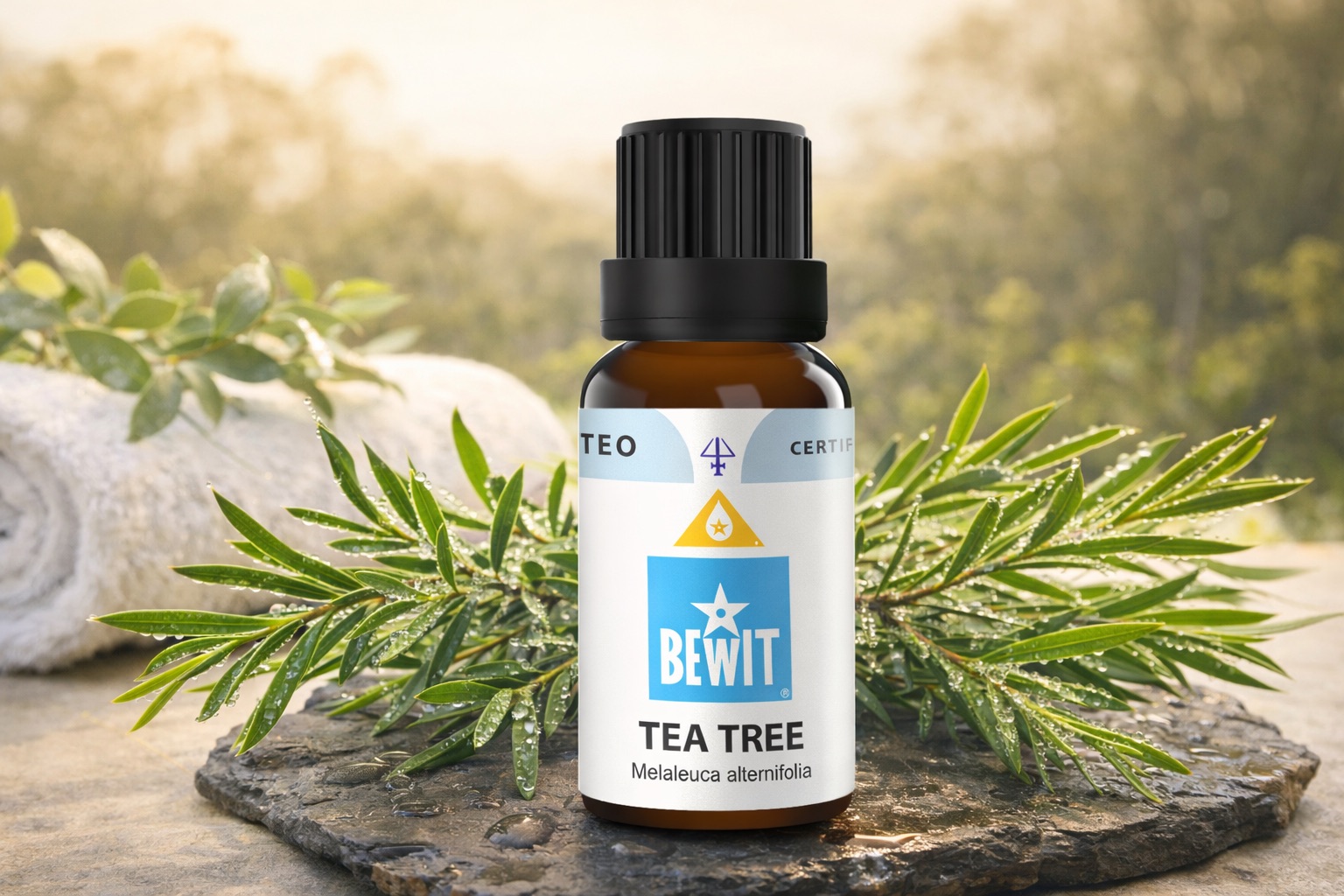
Tea tree oil is nature's most powerful purifier. From ancient Aboriginal medicine to modern medicine cabinets worldwide, this Australian native has earned its reputation as an essential household staple. Here's everything you need to know about this remarkable essential oil.
The Story of Tea Tree
Despite its name, tea tree (Melaleuca alternifolia) has nothing to do with the tea we drink. The name comes from 18th-century British explorer Captain James Cook, whose crew made a tea-like beverage from its leaves during their Australian expedition.
Long before Europeans arrived, Aboriginal Australians had used tea tree leaves for thousands of years. They crushed the leaves and inhaled the oil for respiratory issues, applied poultices for skin conditions, and bathed in lakes where fallen leaves created natural healing waters.
From Traditional Medicine to World War II
Tea tree oil gained international recognition during World War II when it was included in first aid kits issued to Australian soldiers and sailors. Its powerful properties made it invaluable in the field before antibiotics became widely available.
What Makes Tea Tree Oil Special?
The Science Behind the Power
Tea tree's effectiveness comes from its complex chemistry. The oil contains over 100 different compounds, with the most important being:
| Compound | Percentage | Properties |
|---|---|---|
| Terpinen-4-ol | 30-48% | Primary active compound, antimicrobial |
| Gamma-terpinene | 10-28% | Antioxidant properties |
| Alpha-terpinene | 5-13% | Antimicrobial support |
| 1,8-Cineole | <15% | Respiratory support (lower is better for skin) |
Quality Indicator
ISO standards require tea tree oil to contain minimum 30% terpinen-4-ol and maximum 15% 1,8-cineole. Higher terpinen-4-ol means better quality. BEWIT's tea tree consistently exceeds these standards.
15 Powerful Uses for Tea Tree Oil
Skin Care
1. Blemish Treatment
Tea tree is famous for supporting clear skin. Apply one drop diluted in carrier oil directly to problem areas. Many users report visible improvement within days.
2. Skin Tag and Wart Support
Apply diluted tea tree oil to the area 2-3 times daily. Be patient - natural approaches take time but are gentle on surrounding skin.
3. Minor Cuts and Scrapes
After cleaning a minor wound, apply diluted tea tree to support the natural healing process. Its cleansing properties help keep the area clean.
4. Athlete's Foot
Create a foot soak with warm water and 10 drops of tea tree oil. Soak for 15 minutes daily. Follow with direct application of diluted oil to affected areas.
Hair and Scalp
5. Dandruff Solution
Add 10-15 drops of tea tree oil to your shampoo bottle. The oil helps balance the scalp environment and reduce flaking naturally.
6. Head Lice Prevention
Tea tree is well-known as a natural deterrent. Add a few drops to shampoo during school season, or create a preventive spray with water and tea tree oil.
7. Scalp Health
Mix 5 drops with 2 tablespoons of carrier oil for a weekly scalp massage. This promotes a healthy scalp environment and may support hair health.
Home and Cleaning
8. All-Purpose Cleaner
DIY Tea Tree Cleaning Spray:
- 2 cups water
- 1/4 cup white vinegar
- 15 drops tea tree oil
- 10 drops lemon oil

Mix in spray bottle. Shake before use.
Safe for most surfaces.
9. Mold and Mildew Fighter
Tea tree is nature's answer to mold. Spray a solution of tea tree and water on bathroom tiles, shower curtains, and other prone areas. No rinsing needed.
10. Laundry Freshener
Add 5-10 drops to your washing machine to freshen clothes and help eliminate odors. Especially useful for gym clothes and musty towels.
11. Dishwasher Boost
Add a few drops to your dishwasher for extra cleaning power and a fresh, clean scent on your dishes.
Personal Care
12. Natural Deodorant
Tea tree's cleansing properties make it perfect for natural deodorant recipes. It helps control odor-causing elements without aluminum or harsh chemicals.
13. Oral Care
Add one drop to your toothpaste for extra cleansing power. Helps maintain a healthy mouth environment. (Use only food-grade tea tree and don't swallow.)
14. Foot Powder
DIY Foot Powder:
- 1/2 cup arrowroot powder
- 1/4 cup baking soda
- 15 drops tea tree oil
- 10 drops peppermint oil

Mix well, store in shaker container.
Apply to feet and inside shoes.
Respiratory Support
15. Steam Inhalation
Add 3-5 drops to a bowl of hot water. Drape a towel over your head and breathe deeply for 5-10 minutes. Excellent for seasonal discomfort and congestion.
How to Use Tea Tree Oil Safely
Dilution Guidelines
| Use | Dilution | Notes |
|---|---|---|
| Face | 0.5-1% | 1-2 drops per tablespoon carrier oil |
| Body | 1-2% | 3-6 drops per tablespoon carrier oil |
| Spot treatment | 2-5% | Can be stronger for small areas |
| Cleaning products | N/A | 10-20 drops per cup of liquid |
Safety Precautions
Important Safety Information
- Never ingest unless specifically labeled food-grade
- Always dilute for skin application
- Patch test first - apply small amount to inner arm
- Keep away from cats - toxic to felines
- Not for ears - don't put in ear canal
- Avoid eyes - flush with carrier oil if contact occurs
Tea Tree and Pets
Cats: Tea tree is toxic to cats. Never apply to cats or diffuse heavily in spaces where cats live. Even small amounts can cause serious reactions.
Dogs: Can be used with extreme caution at very low dilutions (0.1%). Many veterinarians recommend avoiding it entirely. Consult your vet first.
Tea Tree Blends and Recipes
Clear Skin Serum
Ingredients:
- 1 oz (30ml) jojoba oil
- 8 drops tea tree
- 5 drops lavender
- 3 drops frankincense

Apply 2-3 drops to clean face at night.
Focus on problem areas.
Immune Support Diffuser Blend
- 3 drops tea tree
- 2 drops eucalyptus
- 2 drops lemon
- 1 drop rosemary

Diffuse during cold season for
air purification and respiratory support.
After-Shave Toner
Ingredients:
- 1/2 cup witch hazel
- 2 tablespoons aloe vera gel
- 10 drops tea tree
- 5 drops lavender

Shake well. Apply after shaving
to soothe and cleanse skin.
Purifying Room Spray
- 1 cup distilled water
- 2 tablespoons vodka (preservative)
- 20 drops tea tree
- 15 drops lemon
- 10 drops eucalyptus

Spray around rooms, on linens,
or anywhere freshness is needed.
Choosing Quality Tea Tree Oil
What to Look For
- Species: Melaleuca alternifolia (accept no substitutes)
- Origin: Australia produces the highest quality
- Testing: GC/MS analysis showing terpinen-4-ol content
- Color: Clear to pale yellow
- Scent: Fresh, medicinal, camphoraceous
Red Flags
- "Tea tree fragrance oil" - synthetic, no therapeutic value
- Very low price - quality tea tree costs €8-15 per 15ml
- No botanical name listed
- Strong, harsh chemical smell
- Unclear or no origin information
BEWIT Tea Tree Quality
BEWIT sources tea tree exclusively from Australian Melaleuca alternifolia plants. Every batch undergoes comprehensive laboratory analysis ensuring:
- Terpinen-4-ol content exceeding ISO requirements
- 1,8-cineole kept well below maximum threshold
- 100% pure, no adulteration or dilution
- Full batch traceability
- CTEO® quality standard (BEWIT's proprietary testing protocol)
Tea Tree vs. Other "Tea Trees"
Several essential oils share the "tea tree" name but are different plants:
| Oil | Botanical Name | Differences |
|---|---|---|
| Tea Tree | Melaleuca alternifolia | The original, most researched |
| Manuka | Leptospermum scoparium | From New Zealand, different chemistry |
| Kanuka | Kunzea ericoides | Gentler, from New Zealand |
| Cajeput | Melaleuca cajuputi | Related species, higher cineole |
| Niaouli | Melaleuca quinquenervia | Gentler cousin, good for sensitive skin |
Frequently Asked Questions
Can I apply tea tree oil directly to skin?
While some people use tea tree "neat" (undiluted) for spot treatments, we recommend always diluting to prevent sensitization. Even if you don't react initially, repeated undiluted use can cause your skin to become sensitized over time, creating a permanent allergy.
Is tea tree safe during pregnancy?
Tea tree is generally considered safe during pregnancy when used in normal dilutions for topical application or diffusing. However, we always recommend consulting your healthcare provider before using any essential oils during pregnancy.
Why does my tea tree oil smell different from other brands?
Quality tea tree should have a fresh, medicinal, slightly camphoraceous scent. If your oil smells harsh, chemical-like, or "off," it may be old, oxidized, or adulterated. BEWIT's fresh, properly stored tea tree has a clean, characteristic aroma that indicates quality.
How should I store tea tree oil?
Store in a cool, dark place with the cap tightly closed. Tea tree is susceptible to oxidation when exposed to air, light, and heat. Properly stored, it should last 2-3 years. If it develops a harsh, turpentine-like smell, it's oxidized and should be discarded.
Can tea tree oil help with nail fungus?
Many people use tea tree for nail concerns with positive results. Apply diluted tea tree directly to affected nails twice daily after bathing. Be patient - nails grow slowly, so it may take several months to see full results. Consistency is key.
Get Nature's Purifier
Experience the remarkable versatility of premium Australian tea tree oil. BEWIT's premium Australian tea tree delivers maximum potency and purity.
Subscribe to our newsletter for an exclusive discount code.
Discover Premium Essential Oils
Experience the difference of CTEO-certified, European-quality essential oils.
Browse Products
Be the first to comment