This guide contains affiliate links to BEWIT.love. If you buy through them, we may earn a commission at no extra cost to you. This never affects what we write.
In this guide
- Why Touch and Scent Work Better Together
- Choosing the Base: Carrier Oil and Dilution
- Five Massage Oil Blends (Exact Recipes per 30 ml)
- Basic Technique: Effleurage First
- Setting the Scene
- When Not to Massage
- Aftercare: The Forgotten Third of the Ritual
- Quick Reference: All Five Blends
- Frequently Asked Questions
An aromatherapy massage combines two of the oldest wellness practices we know: intentional touch and natural scent. You don't need a spa appointment or a professional table to enjoy it. With one good carrier oil, a handful of essential oils and twenty quiet minutes, you can turn your living room into a small sanctuary. This guide covers the oils, five exact blend recipes and the basic technique to do it well at home.
Why Touch and Scent Work Better Together
Massage on its own encourages a sense of calm, supports the feeling of looser, more relaxed muscles and simply signals to the body that it is time to slow down. Aromatherapy on its own works through the nose: scent molecules reach the olfactory system, which is closely connected to the parts of the brain that handle mood and memory.
Put the two together and each amplifies the other. The rhythm of slow strokes gives the mind something steady to follow, while the aroma anchors the experience — which is why a scent you used during a relaxing massage can bring back that same easy feeling days later. If unwinding is your main goal, our guide to essential oils for stress relief pairs perfectly with the recipes below.

Choosing the Base: Carrier Oil and Dilution
Essential oils are never applied to skin undiluted — they always ride on a carrier oil. For massage, the carrier matters more than usual because you need glide: enough slip for long strokes without the oil disappearing into the skin in seconds.
- Sweet almond oil — the classic massage base. Medium glide, gentle, suits most skin types.
- Fractionated coconut oil — light, odourless, doesn't stain sheets as heavily and has a long shelf life.
- Jojoba oil — technically a liquid wax, very stable, excellent for facial or neck work.
- Grapeseed oil — thin and fast-absorbing; blend it with almond oil if you want lighter texture.
For a full comparison of textures and shelf lives, see our carrier oils guide.
For a full-body massage on healthy adult skin, a 2–3% dilution is the standard range. In practice that means 12–18 drops of essential oil per 30 ml of carrier. Stay at the lower end for facial massage, sensitive skin or daily use. If percentages and drop counts are new to you, our essential oil dilution guide breaks down the maths for every situation.
Five Massage Oil Blends (Exact Recipes per 30 ml)
Each recipe below is measured for 30 ml of carrier oil — enough for one full-body massage or two to three partial ones. Mix in a small glass bottle, shake gently and label it with the date. Used within three months, the blends stay fresh.
1. Relax Evening
- 8 drops lavender
- 4 drops sweet orange
- 2 drops ylang ylang
A soft, floral-citrus classic for winding down after dinner. Ideal for back and shoulder work an hour or two before bed.
2. Post-Sport Legs
- 6 drops rosemary
- 5 drops lavender
- 4 drops peppermint
Cooling and herbaceous. The peppermint gives a fresh tingle that may ease the feeling of tired, heavy legs after a run or a long day on your feet.
3. Neck & Shoulders for Desk Workers
- 6 drops lavender
- 5 drops sweet marjoram
- 3 drops black pepper
Warm and comforting for the classic screen-time zone. Work it slowly into the trapezius area and the base of the skull.
4. Grounding
- 6 drops cedarwood
- 5 drops bergamot
- 3 drops vetiver
Deep, woody and earthy — the blend to reach for when your thoughts are racing and you want to feel back in your body. Lovely for slow foot and leg massage.
5. Couples' Warm Spice
- 7 drops sweet orange
- 4 drops ginger
- 3 drops ylang ylang
- 1 drop cinnamon bark
Cosy, warm and a little exotic. Keep the cinnamon at exactly one drop — it is a powerful skin-warming oil and more is not better here.
Mixing Tip
Add the essential oil drops to the empty bottle first, swirl them together, then pour in the carrier. The aroma marries more evenly, and you can adjust the scent balance before committing 30 ml of carrier to it.
Basic Technique: Effleurage First
You don't need professional training for a pleasant home massage — you need one stroke done well. That stroke is effleurage: long, gliding, open-palm movements that follow the shape of the body.
- Direction: stroke toward the heart — from the wrist up the arm, from the ankle up the leg, from the lower back up toward the shoulders. This follows the natural flow of circulation.
- Pressure: start feather-light for the first two or three minutes, then settle into firm-but-comfortable. The receiver should be able to breathe slowly and easily the whole time; if they tense up, lighten your touch.
- Rhythm: slow and even beats fast and clever. Aim for a steady, unhurried tempo you could keep up for a song or two.
- Contact: try to keep at least one hand on the body at all times. Breaking contact repeatedly interrupts the relaxed state.
- Duration: 15–20 minutes is plenty for a home session. A focused quarter hour beats a distracted hour.
Avoid pressing directly on the spine, the front of the throat or any bony prominence. Muscles are the target; bones are the map.

Setting the Scene
Atmosphere does half the work. A few practical details make the difference between "nice" and "I forgot what day it is":
- Warm room: 24–25 °C. Bare, oiled skin cools quickly, and a shivering person cannot relax.
- Towels: one large towel under the receiver, another to cover the parts of the body you're not working on. This keeps them warm and protects your sofa or bed.
- Warm the oil in your hands: never pour oil straight onto skin. Pour a teaspoon into your palm, rub your hands together for a few seconds, then apply. Cold oil on a warm back undoes minutes of relaxation in one splash.
- Low light, low sound: dim lamps or a candle, phone on silent, and quiet music or none at all.
When Not to Massage
A home massage is a wellness ritual, not a therapy, and there are times to skip it entirely:
- Fever or acute illness — rest comes first; massage adds strain the body doesn't need.
- Fresh injuries — sprains, bruises, swelling or broken skin should never be massaged. Work around them at a distance or postpone.
- Skin conditions in flare — avoid massaging over rashes, sunburn or irritated areas.
- Varicose veins — do not apply pressure directly over them.
- Any diagnosed condition — if in doubt, check with a healthcare professional before receiving massage.
Pregnancy: Leave It to Professionals
During pregnancy, both massage and essential oil choices need special care — several popular massage oils are not recommended at this time. Skip home experiments and book a therapist trained in pregnancy massage instead. Our guide to essential oils in pregnancy and for children explains which oils to avoid and why.
Aftercare: The Forgotten Third of the Ritual
What happens after the last stroke matters almost as much as the massage itself.
- Drink water: a large glass right after, and keep sipping through the evening. Massage plus warm rooms is mildly dehydrating.
- Rest: stay lying down for five to ten minutes. Getting up too quickly can leave you briefly light-headed, and jumping straight into chores wastes the calm you just built.
- Shower timing: wait at least an hour — ideally until the next morning — before showering. The carrier oil keeps softening the skin, and the aroma continues its quiet work. When you do shower, warm water is enough; heavy soaping isn't needed everywhere.
- Fresh sheets note: lay an older towel over your pillow and sheets if you go to bed un-showered. Carrier oils can leave marks on fine linen.
Quick Reference: All Five Blends
| Blend | Drops per 30 ml carrier | Best for |
|---|---|---|
| Relax Evening | 8 lavender, 4 sweet orange, 2 ylang ylang | Winding down before bed, back & shoulders |
| Post-Sport Legs | 6 rosemary, 5 lavender, 4 peppermint | The feeling of tired, heavy legs after exercise |
| Neck & Shoulders | 6 lavender, 5 sweet marjoram, 3 black pepper | Desk workers, screen-time tension zone |
| Grounding | 6 cedarwood, 5 bergamot, 3 vetiver | Racing thoughts, slow foot & leg massage |
| Couples' Warm Spice | 7 sweet orange, 4 ginger, 3 ylang ylang, 1 cinnamon bark | Cosy evenings for two |
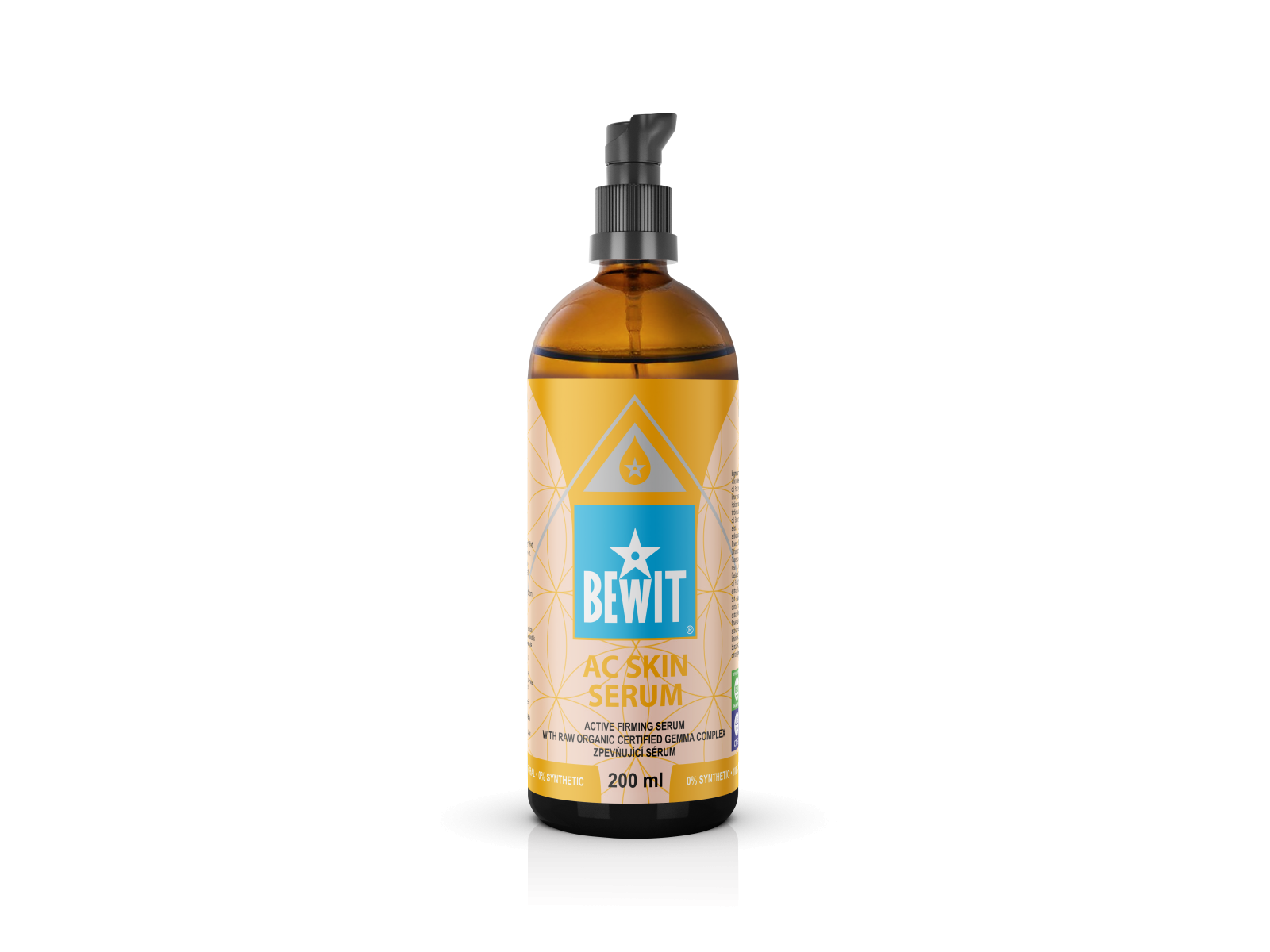
Prefer a ready-made option? BEWIT's body and massage oils come pre-blended at skin-friendly dilutions, so you can pour and start.
Browse BEWIT Body & Massage Oils
Frequently Asked Questions
How much massage oil do I need for one full-body session?
Roughly 20–30 ml for an adult — about two tablespoons. Start with less than you think you need; you can always add another teaspoon, but overly oily skin makes controlled strokes harder.
Can I make a bigger batch of a blend in advance?
Yes — simply multiply the recipe (for 100 ml, use roughly 3× the drops). Store the blend in a dark glass bottle away from heat and light and use it within about three months, since carrier oils slowly oxidise once mixed.
Which blend is best for a complete beginner?
Relax Evening. Lavender and sweet orange are gentle, widely loved and forgiving if your drop counts are slightly off. Save the spice blend for when you're comfortable measuring single drops.
Is it normal for the scent to fade during the massage?
Completely. Your nose adapts to a constant aroma within minutes — the oils are still there and still working on the receiver, who keeps getting fresh scent as new oil is applied. Resist the urge to add more drops mid-session.
Can I use these blends on children?
Not at these strengths. Children need much lower dilutions and a shorter list of suitable oils — see our guide to essential oils for pregnancy and children before massaging anyone under twelve.
Never apply undiluted essential oils to skin. Dilute them in a carrier oil first — typically 1–2% for adults — and patch-test on a small area of skin. Safe Use Guide →
Products mentioned in this guide

Discover Premium Essential Oils
Experience the difference of CTEO-certified, European-quality essential oils.
Browse Products
Be the first to comment