
This guide contains affiliate links to BEWIT.love. If you buy through them, we may earn a commission at no extra cost to you. This never affects what we write.
In this guide
Not all diffusers are created equal. An ultrasonic model that charms a bedroom can feel weak in a large living room, while a nebulizing diffuser that fills an open-plan space in minutes will burn through your oils and your patience if you put it on a nightstand. This honest comparison of the four main diffuser types cuts through the marketing so you can pick the best diffuser type for your room, budget, and how often you actually plan to use it.

The Four Types of Diffuser
Every diffuser you will find falls into one of four categories, defined by how it turns liquid oil into something you can smell. The technology dictates almost everything that matters: scent strength, how fast you go through oil, noise, and whether the aroma stays true to the bottle.
1. Ultrasonic (water-based)
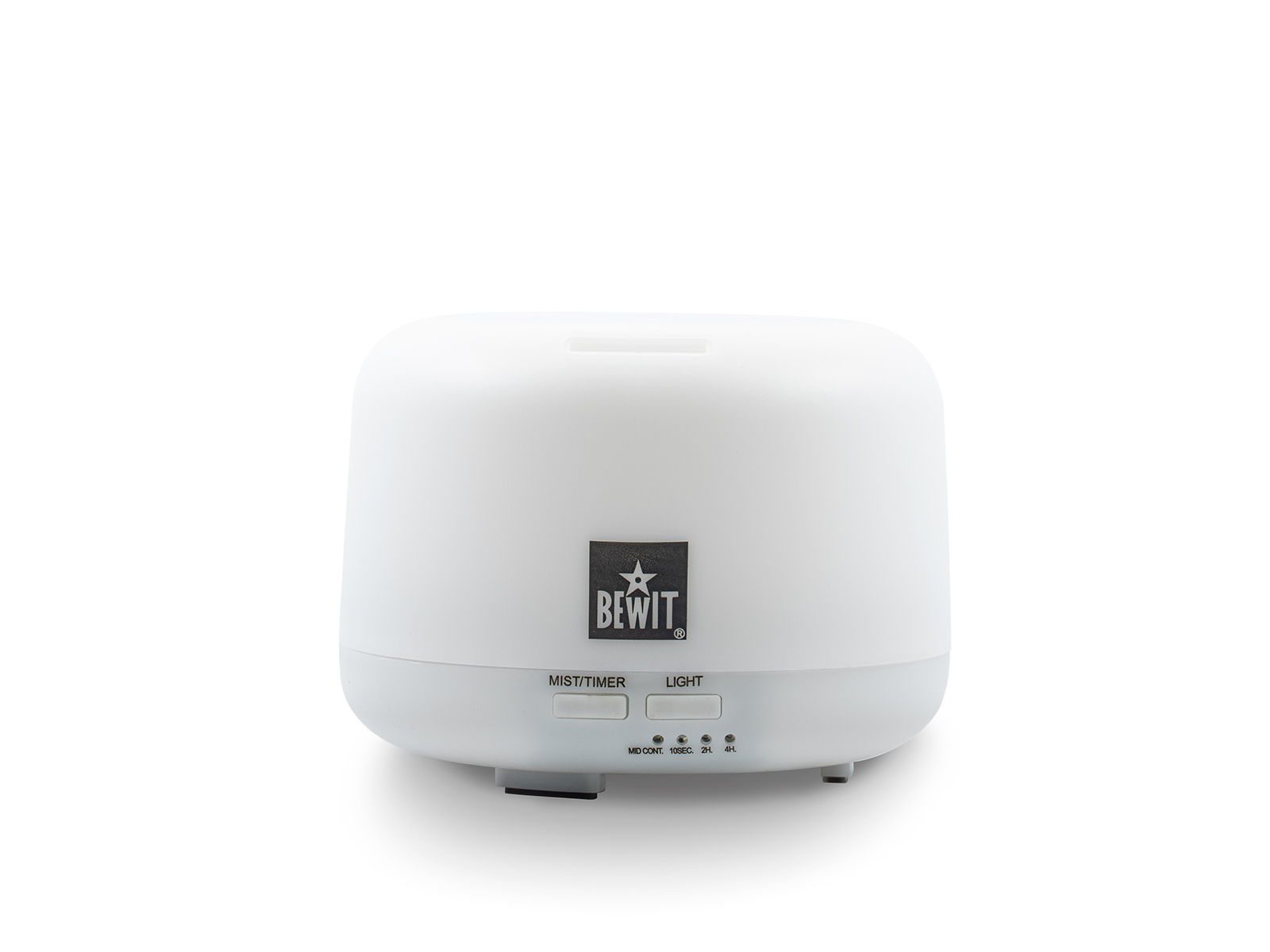
The most common type. You fill a reservoir with water (typically 100–500 ml), add 3–8 drops of essential oil, and an ultrasonic plate vibrating at ~2.4 MHz breaks the mixture into a cool micro-fine mist. It doubles as a light humidifier and usually includes mood lighting and timers. Scent is gentle to moderate.
Pros: quiet, affordable, humidifies dry air, sips oil, safe around children.
Cons: aroma is diluted by water, limited reach in big rooms, needs regular cleaning to
prevent limescale and mould.
2. Nebulizing (waterless)
The purist's choice. A pressurised air stream pulls neat essential oil up a glass tube and atomises it into a dry, highly concentrated aerosol — no water, no heat. This delivers the strongest, truest scent and the full aromatic profile of the oil.
Pros: most powerful throw, covers large areas, no dilution, no water to refill.
Cons: uses far more oil, louder (a small motor hums), more expensive, glassware needs
careful cleaning.
3. Evaporative (fan)
Oil is dripped onto a pad, wick, or filter and a small fan blows air across it. Simple and cheap, but the lighter, more volatile notes evaporate first, so the scent shifts and fades unevenly over a session.
Pros: inexpensive, portable, no water, battery or USB options.
Cons: weaker and less consistent aroma, pads need frequent replacing.
4. Heat
A candle, tealight, or electric warmer heats oil (often on a ceramic dish or bulb ring) so it evaporates faster. Silent and cheap — but heat chemically alters delicate compounds, so you lose therapeutic value and the scent can turn flat or slightly "cooked."
Pros: silent, very cheap, cosy ambience.
Cons: heat degrades the oil, fire risk with open flames, no fine mist.

Ultrasonic vs Nebulizing: The Real Difference
This is the comparison most buyers agonise over, so it deserves its own note. An ultrasonic diffuser mixes oil into water and pushes out a visible, humidifying mist — pleasant, subtle, and forgiving on your oil supply. A nebulizing diffuser atomises pure oil with no water at all, producing an invisible but far more intense aroma that carries across a room in minutes.
Rule of thumb: choose ultrasonic for everyday background scent, dry rooms, and bedrooms; choose nebulizing when you want a strong, immediate, undiluted aroma and don't mind paying for it in oil.
Full Comparison Table
| Type | How it works | Scent strength | Oil use rate | Noise | Best room size | Price tier | Maintenance |
|---|---|---|---|---|---|---|---|
| Ultrasonic | Water + vibration = cool mist | Gentle–moderate | Low (3–8 drops / session) | Very quiet | Up to ~30 m² | € (budget–mid) | Rinse weekly, descale monthly |
| Nebulizing | Air pressure atomises neat oil | Strong | High (whole bottle in days) | Audible hum | 30–60+ m² | €€€ (premium) | Alcohol-flush glassware regularly |
| Evaporative (fan) | Fan blows air over an oiled pad | Weak–moderate | Low–medium | Soft fan noise | Small / personal space | € (budget) | Replace pads regularly |
| Heat | Warmth evaporates the oil | Moderate (altered) | Medium | Silent | Small–medium | € (budget) | Wipe dish after use |
Which Diffuser to Choose by Use Case
Bedroom
Prioritise silence and safety. An ultrasonic model with a night light and an 8-hour timer is ideal — 100–300 ml of water and 4–5 drops of lavender running intermittently will scent a 12–15 m² bedroom all night without overwhelming it. The BEWIT Favorit 300 is a solid fit here.
Large living room / open plan
For 30–60 m², water-based mist struggles to reach the far corners. A nebulizing diffuser delivers the throw you need, or run a high-capacity 300–500 ml ultrasonic unit on its strongest continuous setting.
Office
A quiet ultrasonic unit keeps a personal workspace fresh without disturbing colleagues. Pair it with an energising blend — see our diffuser blend recipes for focus combinations.
Car
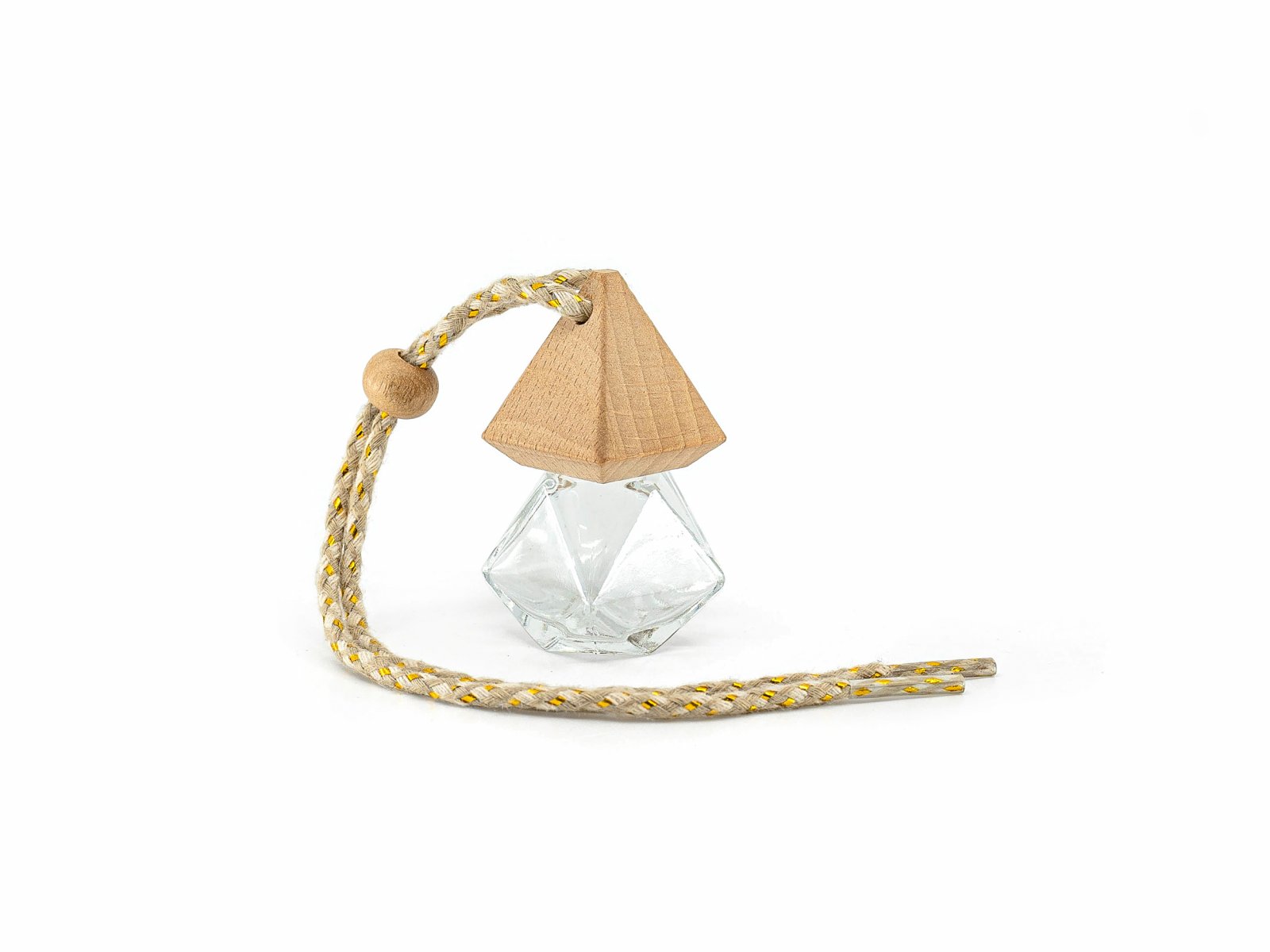
Water-based units aren't practical on the move. Use a small evaporative vent clip or a dedicated USB diffuser like the BEWIT car aroma diffuser, which runs on a few drops without spillage.
Travel
Portability wins. A battery or USB evaporative diffuser, or simply a few drops on a cotton pad, gives you scent in a hotel room without lugging water or glass.
Match the machine to the room, not the price
The single most common mistake is buying a big-throw diffuser for a small bedroom (overpowering, wasteful) or a tiny personal diffuser for a living room (you can barely smell it). Measure your room in m² first, then choose the type.
Oil Consumption & Running Cost
This is where the honest comparison bites. Because a nebulizer atomises pure oil, it can go through a 10–15 ml bottle in just a few days of daily use. An ultrasonic unit, by contrast, uses only 3–8 drops per session — a 10 ml bottle can last weeks.
So the cheaper-to-buy ultrasonic diffuser is also cheaper to run, while the premium nebulizer costs more up front and more in oil. If you diffuse your favourite (and pricier) oils daily, factor that ongoing cost in before choosing waterless. For learning to dose correctly, our guide to using an essential oil diffuser walks through drop counts and run times.
Maintenance & Lifespan
Every type needs care, and neglect is the number-one reason diffusers die early:
- Ultrasonic: empty and wipe after each use; rinse weekly; descale monthly with a citric-acid or vinegar solution to protect the ceramic plate. Expect 2–4 years of life.
- Nebulizing: flush the glass reservoir and tube with a little high-proof alcohol every week or two to stop oils gumming up the jet. The motor typically outlasts the glass.
- Evaporative: replace pads or wicks as scent fades; keep the fan grille dust-free.
- Heat: wipe the warming dish once cool so old residue doesn't taint the next scent.
What to Avoid
Skip heat diffusers for therapeutic use
Heat degrades the delicate aromatic compounds that give essential oils their value — the very reason you bought quality oil in the first place. Candle and bulb warmers are fine for cheap fragrance oils and cosy ambience, but for genuine BEWIT essential oils, choose a cold-mist ultrasonic or nebulizing unit instead.
Also steer clear of very cheap plastic units: thin plastics can react with concentrated oils, crack, and leach odours, and their weak ultrasonic plates produce a feeble mist that fails within months. A slightly higher up-front spend on a well-made diffuser almost always pays off in scent quality and lifespan.
Frequently Asked Questions
What is the best diffuser type overall?
For most homes, an ultrasonic diffuser is the best all-rounder: quiet, oil-efficient, humidifying, and affordable. Choose a nebulizer only if you specifically want maximum, undiluted scent strength in a large space and accept the higher oil cost.
Are nebulizing diffusers worth the extra money?
If you value the truest, strongest aroma and the full aromatic profile of an oil — and you're diffusing in a big room — yes. For everyday background scent in a bedroom or office, an ultrasonic unit gives better value.
Do heat diffusers ruin essential oils?
They don't "ruin" the scent entirely, but heat alters the chemistry and can flatten or dull the aroma while reducing aromatic benefit. For quality oils, cold-mist methods preserve far more of what you paid for.
How much water and oil should I use?
In an ultrasonic diffuser, fill to the marked line (often 100–300 ml) and add roughly 1 drop of oil per 100 ml of water, adjusting to taste (3–8 drops is typical). Nebulizers take neat oil with no water at all.
How long should I run a diffuser?
Intermittent cycles of 30–60 minutes on, then off, are plenty for most rooms and kinder to both your senses and your oil supply than running continuously all day.
Products mentioned in this guide

Discover Premium Essential Oils
Experience the difference of CTEO-certified, European-quality essential oils.
Browse Products

Be the first to comment