This guide contains affiliate links to BEWIT.love. If you buy through them, we may earn a commission at no extra cost to you. This never affects what we write.
In this guide
Search "essential oils for immunity" and you will find bold promises: oils that "boost your immune system" or "fight off colds." The honest picture is more modest and more useful. Essential oils cannot switch your immune system into a higher gear. What they can do is make the small winter habits that genuinely help — clean air, good sleep, diligent hand-washing — feel pleasant enough to actually keep up. This guide separates what the lab evidence supports from what is marketing hype.
What "Immune Support" Can and Cannot Mean
Let's set expectations first, because this is where most oil articles go wrong. Your immune system is a vast, tightly regulated network. There is no consumer product — no oil, tea, or supplement — that meaningfully "boosts" it in a healthy adult. In fact, you would not want it boosted; an over-active immune system is what allergies and autoimmune conditions are made of.
So when a reputable source talks about "supporting immunity," it means something narrower and realistic: reducing your exposure to germs, and giving your body the conditions it needs to defend itself — enough sleep, adequate nutrition, hydration, and clean, comfortably humid air. Essential oils touch the edges of this picture. They can freshen and lightly purify indoor air, they can make a steam inhalation more comfortable when you are congested, and they can turn hand-washing and winter rituals into something you look forward to. That is a real, if humble, contribution.
The one-sentence summary
Oils do not make your immune system stronger. Habits do. Oils make the habits more enjoyable — and enjoyable habits are the ones you keep.

What Lab Studies Actually Show
Many essential oils have genuine antimicrobial activity — this part is not hype. The catch is where and how that activity was demonstrated. Almost all of it comes from in vitro studies: oils applied to bacteria, viruses, or fungi in a petri dish or on a surface at concentrations far higher than anything you inhale from a diffuser. Killing microbes on a lab plate is not the same as protecting a living, breathing person from infection.
Tea Tree (Melaleuca alternifolia)
One of the best-studied antimicrobial oils. Its terpinen-4-ol content shows reliable activity against bacteria and fungi on surfaces and skin in the lab. This makes it a sensible ingredient in DIY surface sprays and hand blends. It does not follow that inhaling it prevents colds. See the full tea tree oil guide for realistic uses.
Eucalyptus (Eucalyptus globulus)
Eucalyptus is rich in 1,8-cineole (eucalyptol), studied for its effect on the sensation of clear breathing. That is why it feels so good in a steam inhalation when you are stuffy — it does not cure the cold, but it can make congestion more bearable. Details in the eucalyptus oil guide.
Thyme (Thymus vulgaris)
Thyme's thymol is a potent antimicrobial in vitro and a traditional winter ingredient. It is also one of the harsher oils for skin and airways, so it belongs in well-diluted blends and short diffusion sessions, not undiluted use.
The honest limit
"Antimicrobial in a petri dish" is a real finding. "Protects you from getting sick" is a marketing leap the evidence does not support. Enjoy these oils for their aroma and their pleasant effect on how your home and breathing feel — not as a shield against infection.
Sensible Winter Rituals
Here is where oils earn their place: making the genuinely useful habits more appealing. None of these prevent illness on their own, but together they reduce germ exposure and keep your indoor environment comfortable.
Entryway diffusing
Diffuse a fresh, citrusy or resinous blend near the door for 30-60 minutes when people arrive home. It will not sterilise incoming air, but a pleasant scent cue pairs nicely with the real habit that matters at the entryway: taking off shoes and washing hands. Use 4-6 drops in a standard ultrasonic diffuser.
Shower steam
When you are congested, add 2-3 drops of eucalyptus to the corner of the shower floor (away from the direct stream) and let the steam carry the aroma. This is the single most satisfying oil ritual in winter — the warm, cineole-rich vapour makes blocked sinuses feel clearer while your body does the actual work of recovery.
Hand-wash upgrade
Hand hygiene is one of the few things with strong evidence for reducing respiratory and stomach infections. Plain soap and 20 seconds of scrubbing is what does the work. Adding a drop of tea tree or a citrus oil to an unscented liquid soap (around 1 drop per 10 ml) simply makes the ritual more pleasant, so you do it more often and for longer.
Room air routine: ventilate, then diffuse
The order matters. Open windows for 5-10 minutes twice a day to exchange stale, germ-laden indoor air for fresh air — this is the high-value step. Then diffuse if you like the scent. Diffusing into a sealed, unventilated room adds aroma but does nothing for air quality. A small humidifier in dry, heated rooms also helps keep nasal passages comfortable and functioning.
BEWIT Protective-Style Blends
BEWIT offers two blends inspired by the historic "thieves" tradition — the folklore of aromatic herb bundles carried during plague times (the same tradition behind the lavender-on-the-wrist story). These are lovely, warming winter aromas. We describe them by scent and tradition, not as medicines.
Bodyguard
A warm, spicy-citrus blend built around clove, cinnamon, and citrus notes — the classic protective-blend profile. It smells like a cosy winter kitchen and is a natural choice for entryway and living-room diffusing during cold months. Explore Bodyguard essential oil.
Antis
A fresher, more herbaceous take on the protective theme, leaning on cleansing, resinous and coniferous notes. Pleasant for a study or bathroom where you want a crisp, clean-smelling atmosphere. See Antis essential oil.
How to use them honestly
Diffuse 4-6 drops for 30-60 minutes, or add a few drops to a homemade surface spray. Enjoy them as seasonal aromas and as a scent cue for your hygiene habits. Do not rely on them, or any diffused oil, to prevent infection.
The Foundation: Supportive Lifestyle
If you take one thing from this article, make it this: the habits below matter far more than any oil. Oils are the pleasant ritual layered on top of a solid foundation, never a substitute for it.
- Sleep: Aim for 7-9 hours. Sleep deprivation measurably impairs immune function. A calming bedtime diffusion (lavender is the classic) supports the routine, not the immune system directly.
- Nutrition: A varied, vegetable-rich diet supplies the vitamins (C, D, zinc from real food) your body actually uses. For a deeper look at nutrient-dense support, see the Prawtein complete guide.
- Hydration: Well-hydrated mucous membranes are a better first barrier than dry, cracked ones.
- Movement and fresh air: Regular moderate activity and time outdoors both support general resilience.
- Hand hygiene: The single highest-evidence habit on this list.
Winter Ritual Reference Table
| Ritual | Oils | Recipe | Evidence honesty |
|---|---|---|---|
| Shower steam | Eucalyptus | 2-3 drops on shower floor, away from stream | Comfort only — eases the feeling of congestion, does not cure it |
| Entryway diffusing | Bodyguard, citrus | 4-6 drops, 30-60 min at arrival | Scent cue for real habits (shoes off, wash hands). Not air sterilisation |
| Hand-wash upgrade | Tea tree, citrus | 1 drop per 10 ml unscented soap | Soap + 20 sec does the work; oil just makes it pleasant. High-value habit |
| Room air routine | Antis, any fresh blend | Ventilate 5-10 min, then diffuse 4-6 drops | Ventilation is the real benefit; diffusing is aroma only |
| Bedtime wind-down | Lavender | 3-5 drops, 30 min before sleep | Supports sleep routine; good sleep supports immunity indirectly |
What to Skip
Never ingest essential oils for "immunity"
Swallowing essential oils, or putting drops in water, tea, or capsules, is a widespread and dangerous piece of internet advice. Essential oils are highly concentrated and can irritate or damage the digestive tract, and some are toxic in small amounts. There is no credible evidence that ingesting oils protects you from illness. Keep oils for diffusion, steam, and properly diluted topical use only, and keep all bottles away from children and pets.
Also skip: undiluted "raindrop" applications of hot oils like thyme or clove on the skin, marketing that promises to "kill viruses" in your home, and any product that tells you to stop conventional care because an oil will handle it. When you are genuinely unwell, rest, fluids, and — when needed — a doctor are the plan. Oils are the comfort on the side.
Frequently Asked Questions
Do essential oils really boost immunity?
No. No consumer product boosts a healthy adult's immune system, and you would not want one that did. Oils support the habits that help — clean air, good sleep, hand-washing — by making them more pleasant. That is their honest role.
Can diffusing oils kill germs in the air?
Some oils show antimicrobial activity in lab conditions at high concentrations, but a household diffuser does not reach anything like those levels in room air. Diffuse for the aroma. For actual air quality, open a window.
Which oils are worth having for winter?
Eucalyptus for satisfying steam inhalations, tea tree for cleaning and hand blends, and a protective-style blend like Bodyguard or Antis for a warming seasonal atmosphere. Add lavender for bedtime wind-down.
Is it safe to put oils in my child's diffuser?
Use caution. Children are more sensitive to strong oils like eucalyptus and thyme; keep sessions short, the diffuser far from the bed, and the room ventilated. When in doubt, skip it and rely on humidified, fresh air instead.
Should I take oils internally if I feel a cold coming on?
No — see the warning above. Do not ingest essential oils. Rest, hydrate, and use a comforting steam or diffusion externally while your body does its work.
Essential oils are highly concentrated plant extracts. Follow label instructions, keep them away from children and consult a professional if you are pregnant, nursing or under medical care. Safe Use Guide →
Products mentioned in this guide


Discover Premium Essential Oils
Experience the difference of CTEO-certified, European-quality essential oils.
Browse Products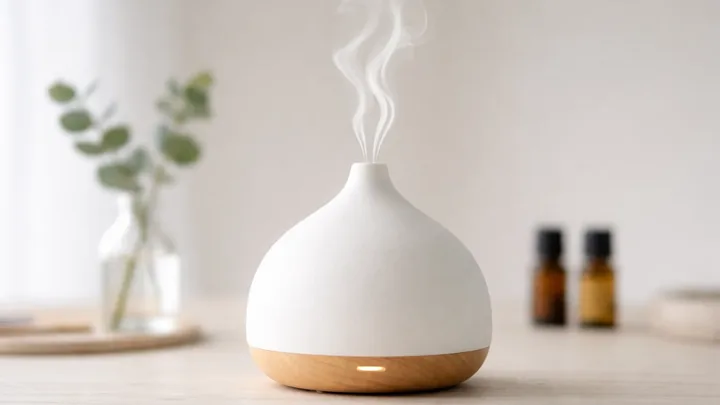

Be the first to comment